One Artwork After Another | Art History Capstone 2026
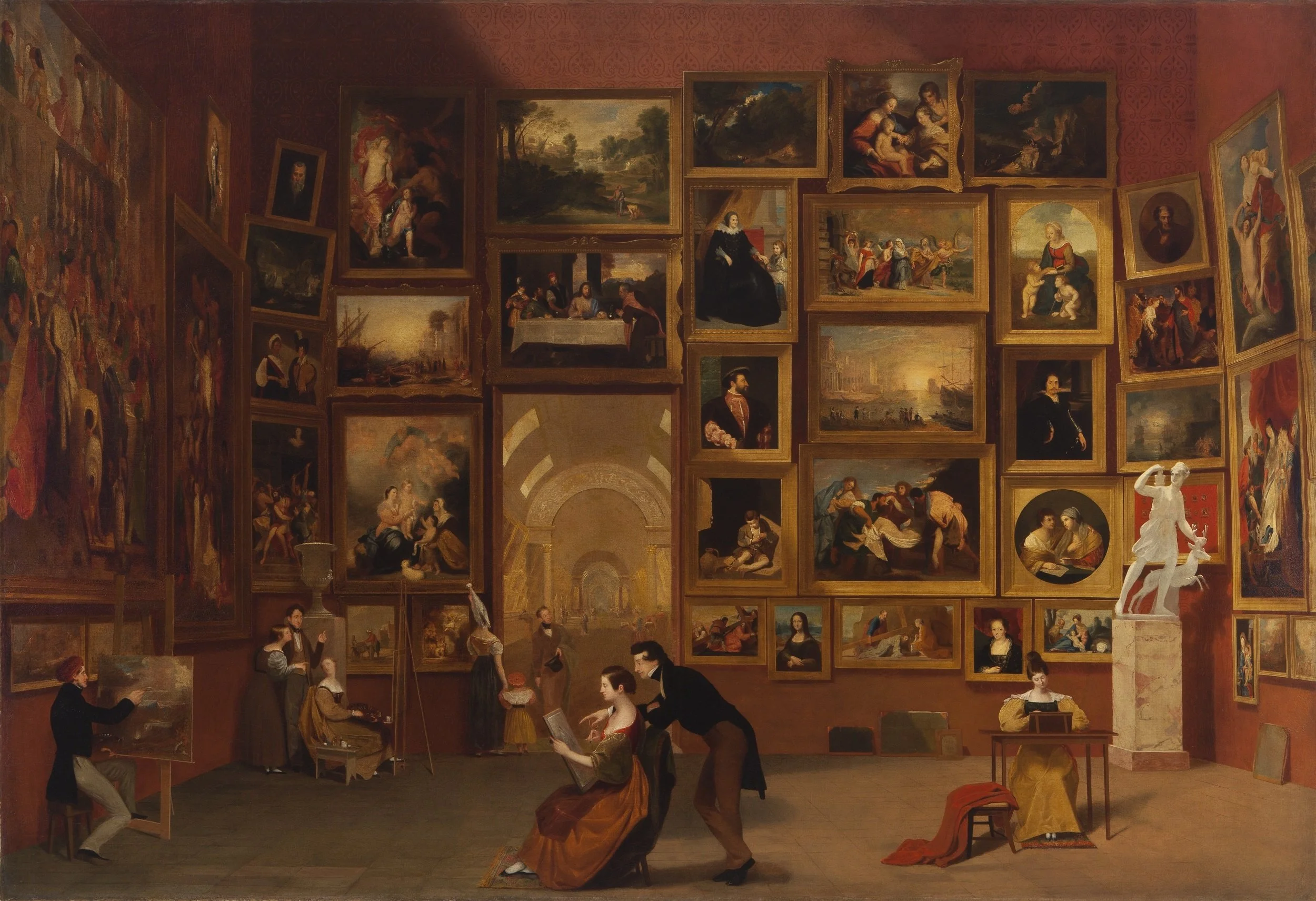
Samuel F.B. Morse (U.S. 1791-1872), Gallery of the Louvre, 1831-33, Oil on canvas, Terra Foundation for American Art
What does the work of Art History look like? It is a question that often requires explanation. For those pursuing majors, minors, and advanced degrees in the field, conversations with friends and family often begin with a familiar clarification: “No, I don’t make art—I study it.” And although art historians do not necessarily create artworks themselves, they do nonetheless engage deeply in the creative and intellectual practice deeply of analyzing, interpreting, curating, and writing about art. Through the close study of one artwork after another, art historians examine the ideas, histories, and cultural exchanges embedded within objects, images, and visual practices. Far from being removed from creative processes, art history is a vital interdisciplinary practice that connects us to perspectives beyond our own and fosters meaningful dialogue across cultures and time.
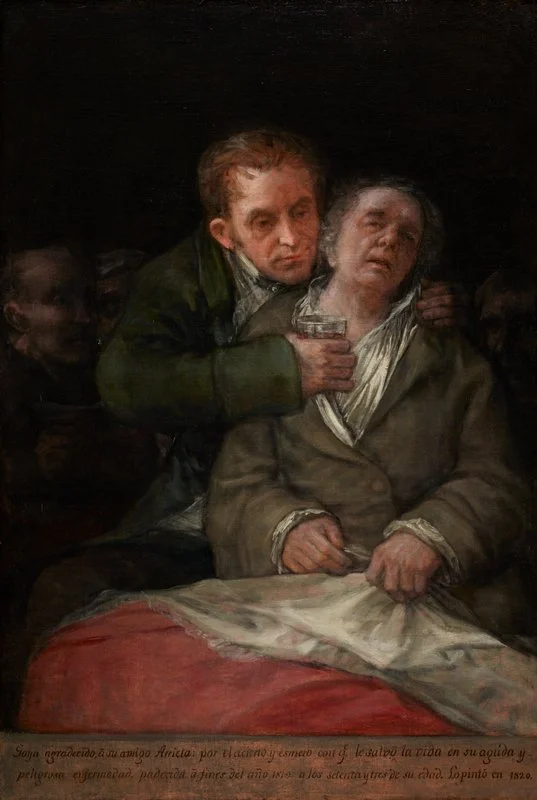
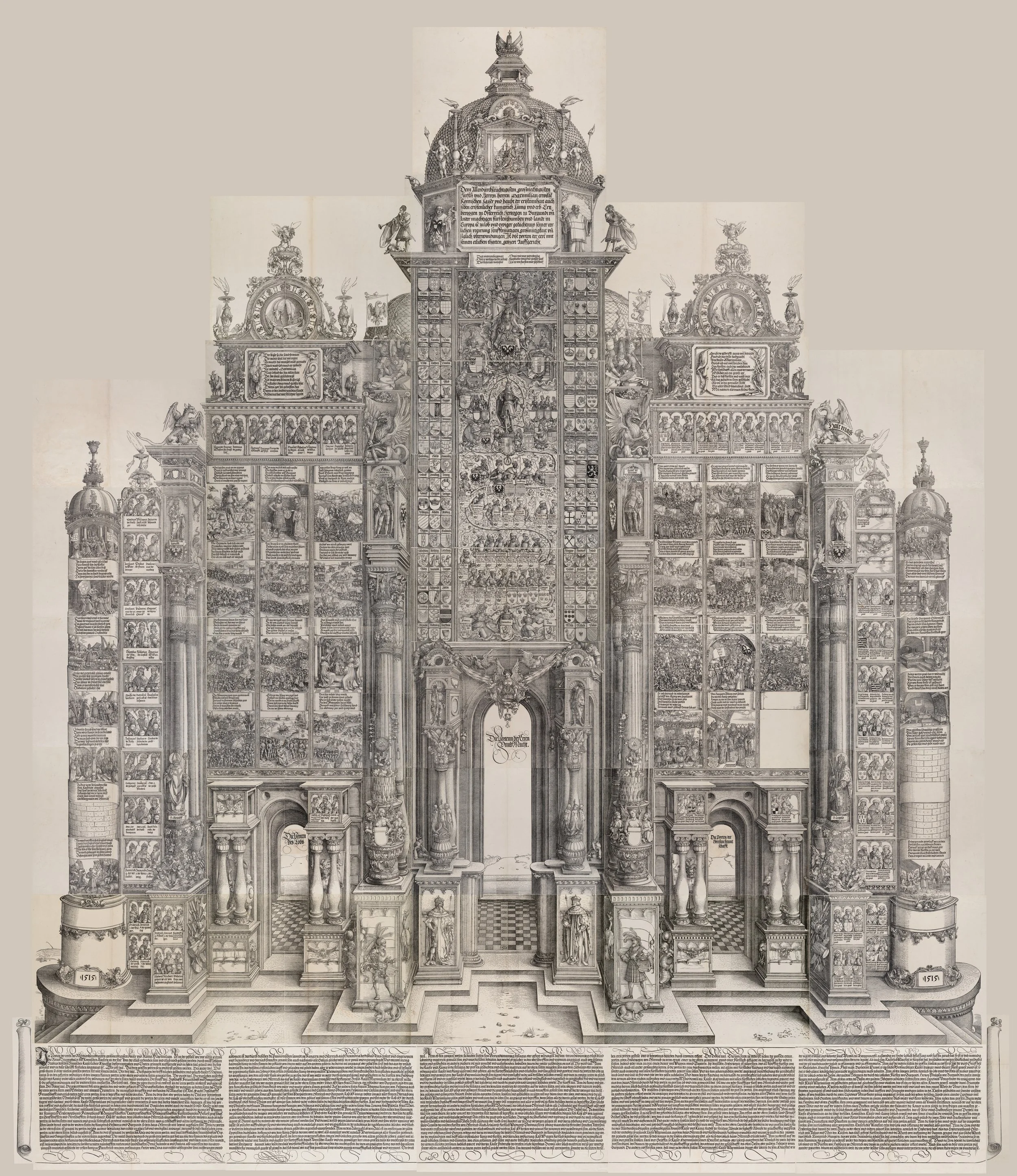
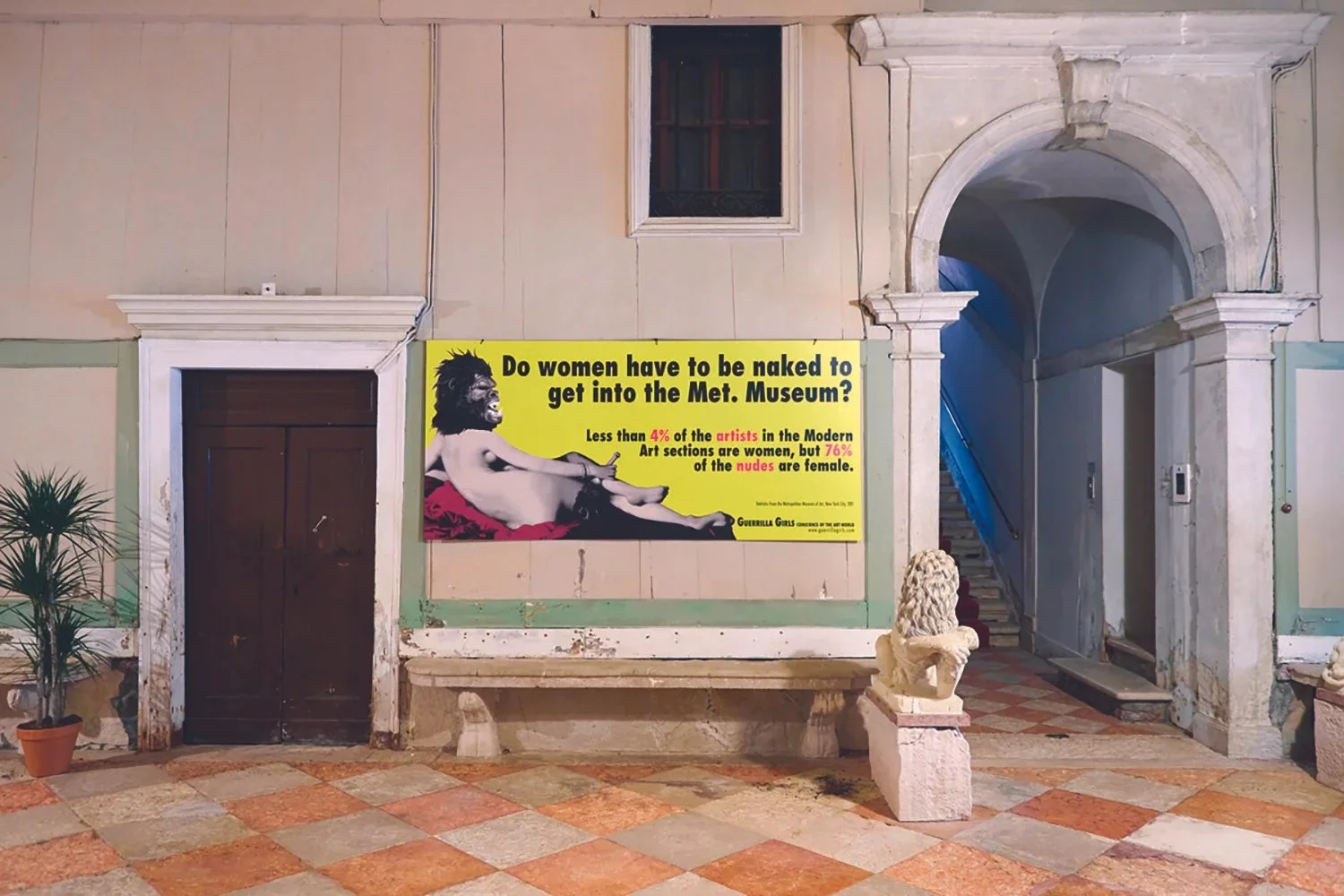
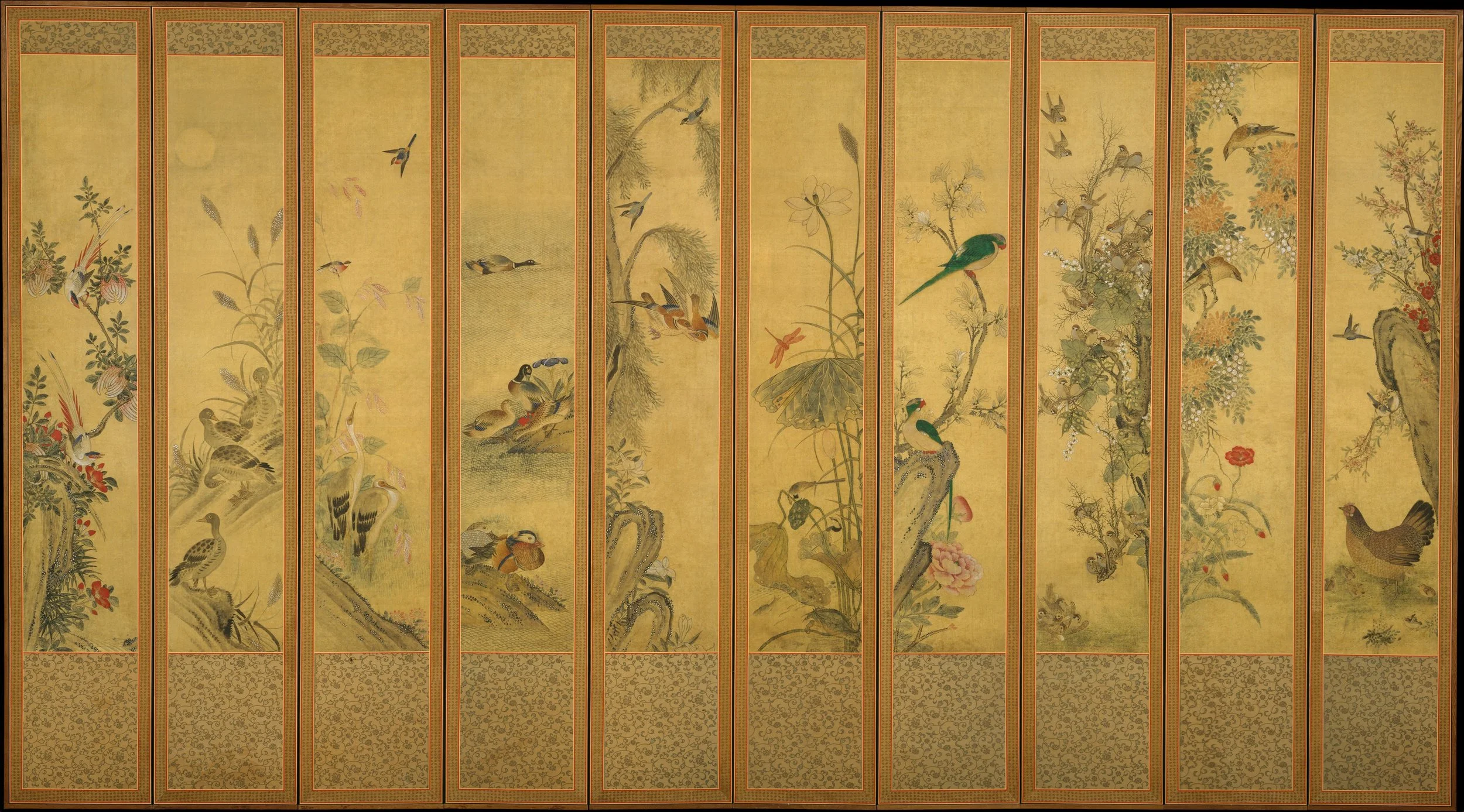
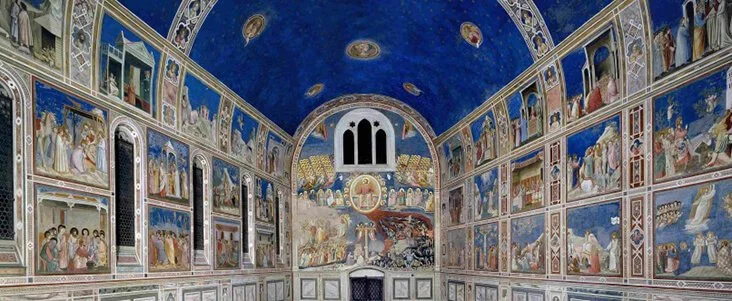
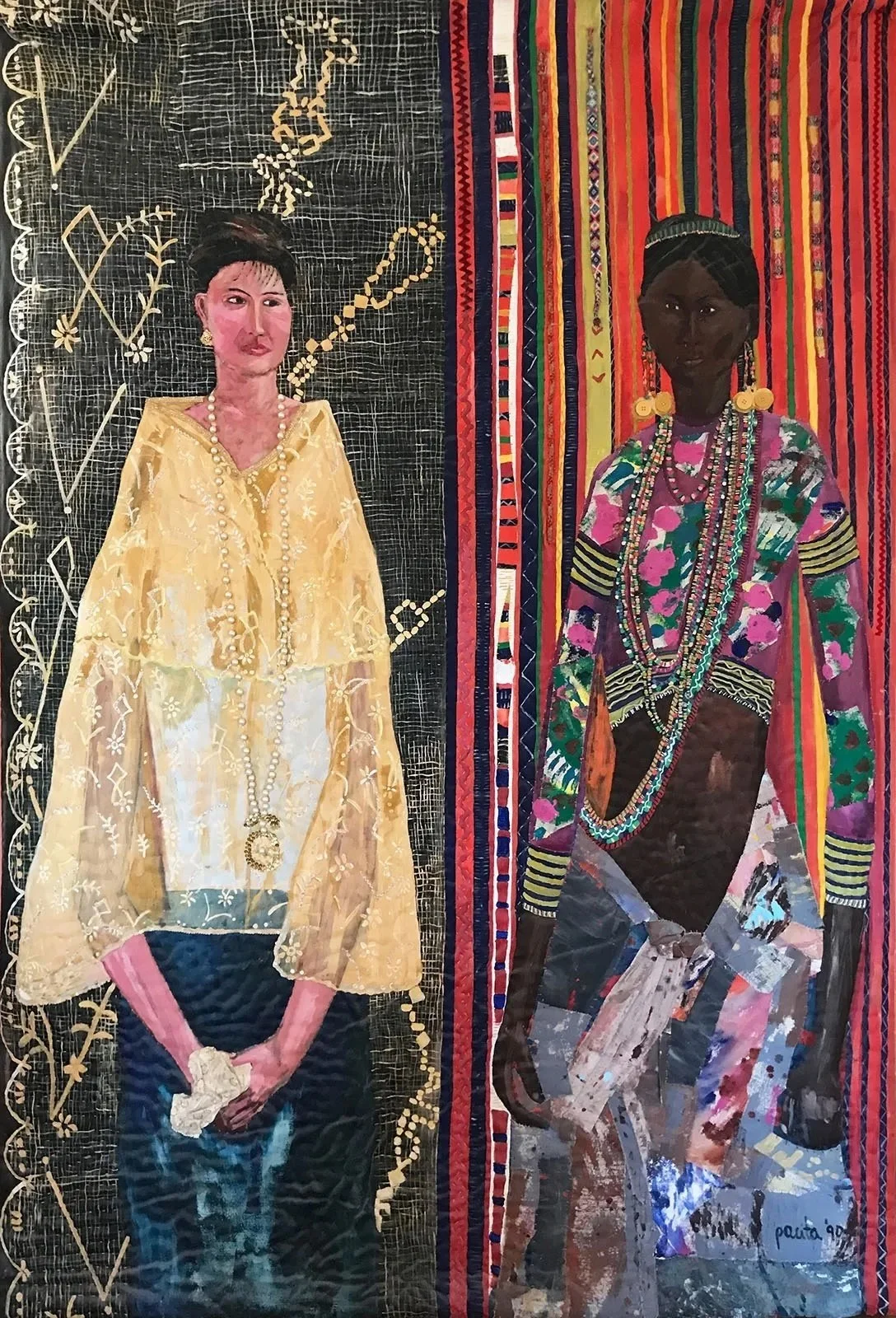
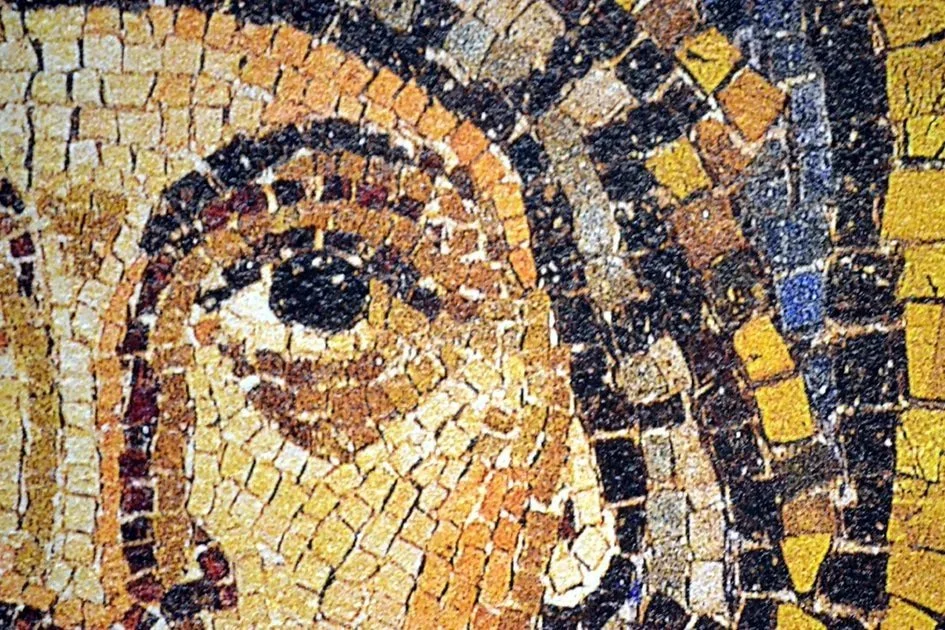
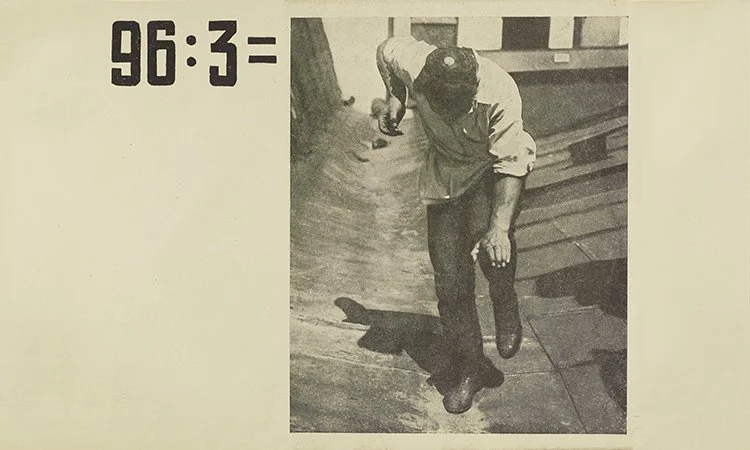
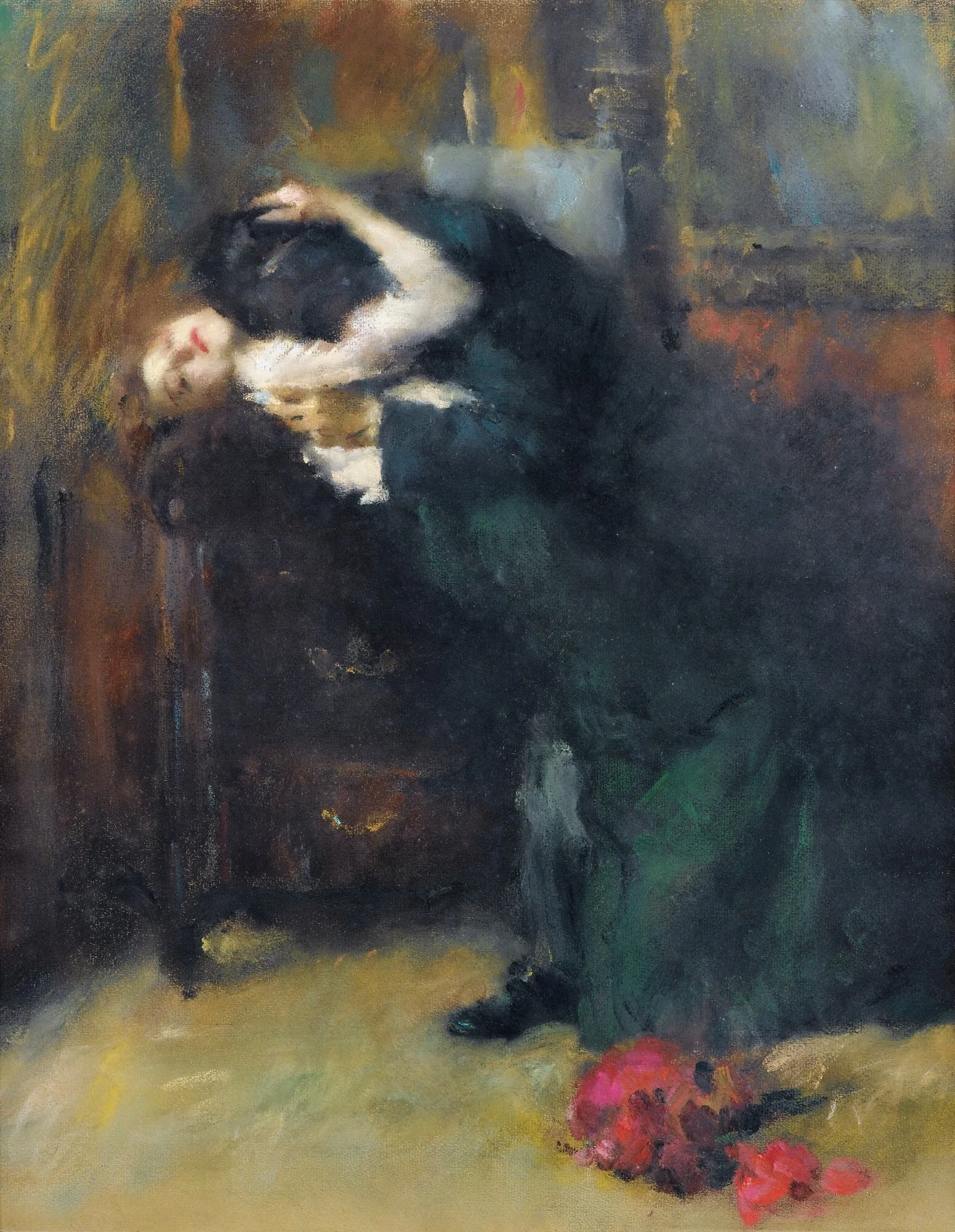
The individual exhibitions presented in this year’s Art History Capstone showcase the rigorous research, thoughtful analysis, and innovative scholarship of the advanced Art History majors at the Tyler School of Art and Architecture. Each member of our class spent the semester developing a research project on a topic of their choosing. Together, these projects reflect the remarkable breadth of the field, exploring subjects as diverse as mosaics of Ktisis, the Greek personification of creativity and civic virtue; visual and cultural histories of vampirism; Holy Roman Emperor Maximilian I’s printed Triumphal Arch; feminist strategies for claiming space for women in the art world; Francisco Goya’s responses to illness and emotional turmoil; expressions of cultural identity, resilience, and pride in Filipino art; transnational exchanges in
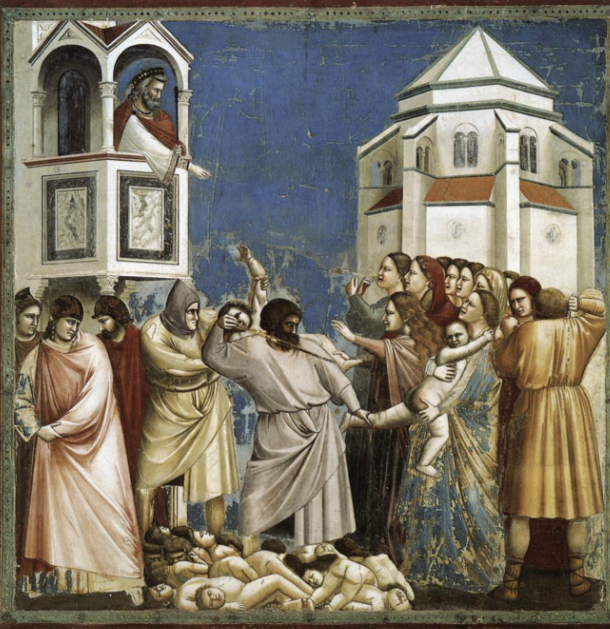
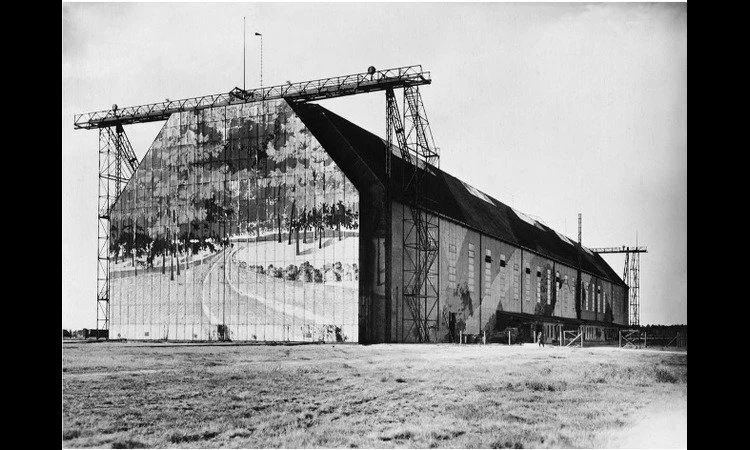
Soviet and Japanese avant-garde photography; the material and spiritual significance of aquamarine pigment in Christian and Islamic art; artists’ roles in the development of dazzle camouflage and medical prostheses during World War I; and Giotto’s depictions of mothers and infants in the Arena Chapel frescoes, which reveal emerging conceptions of childhood as psychologically complex and emotionally resonant.
Collectively, this year’s capstone projects demonstrate the dynamic range, interdisciplinary richness, and cultural relevance of art history. They reveal how sustained attention to visual culture—one artwork after another—can deepen our understanding of the past, enrich our present, and expand the possibilities for future scholarship.
--Professor Erin Pauwels, Associate Professor and Undergraduate Faculty Advisor in Art History
Olivia Cooper
Jay DaCruz
Norah DePalma
Celesty Eng
Jamie Gibson
Sarah Mannherz
Genna Plegaria
Mars Rettew
Alexis Rago
Kelsey Tobin
Emma Vanderbilt